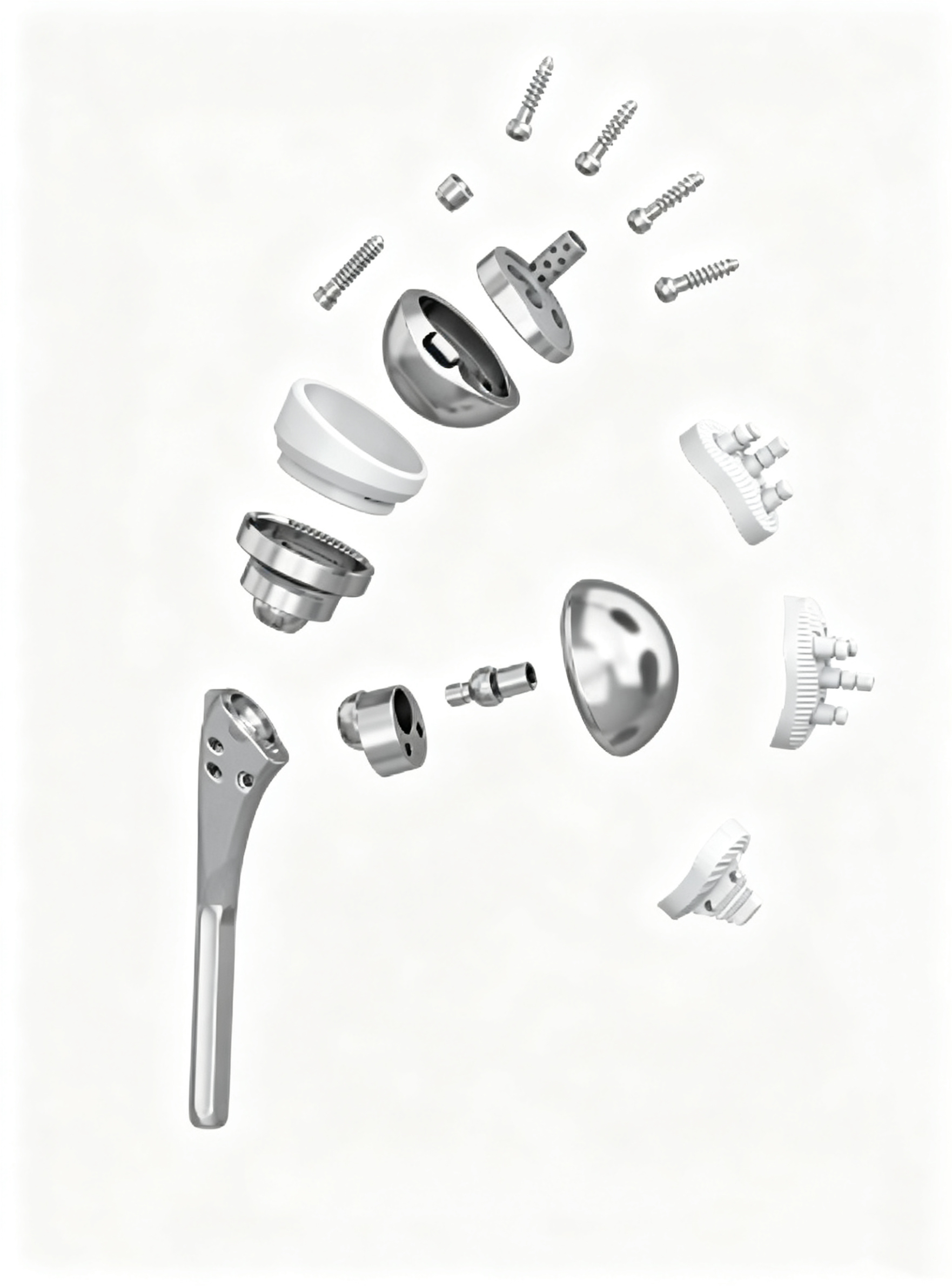
Caratteristiche del Sistema di Sostituzione della Spalla Angel
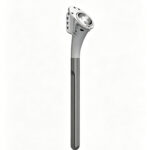
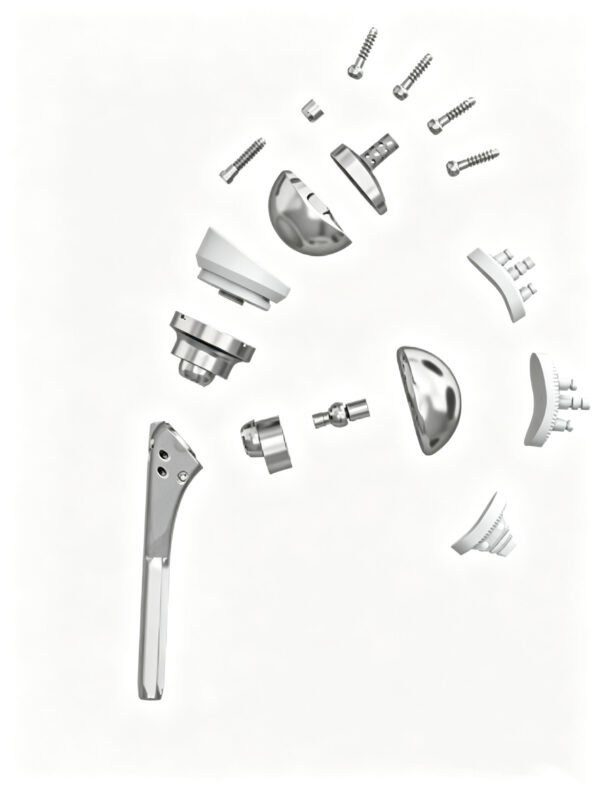
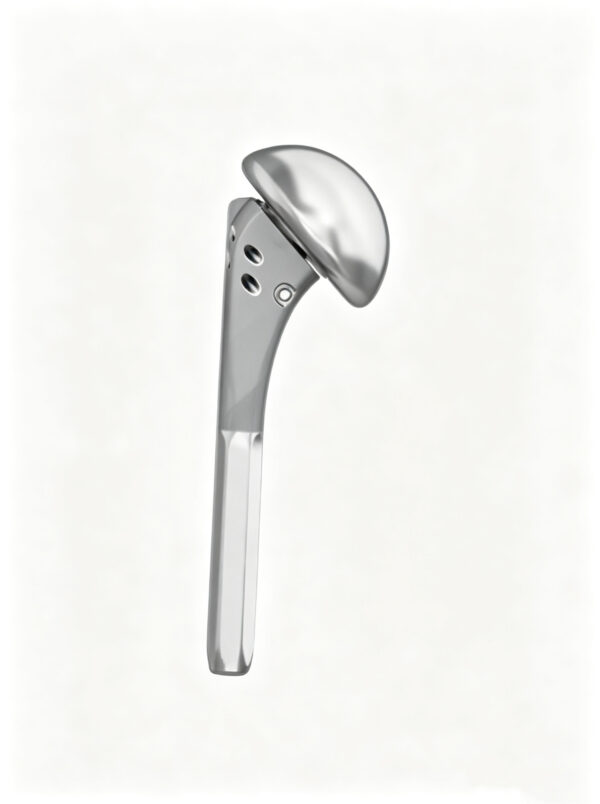
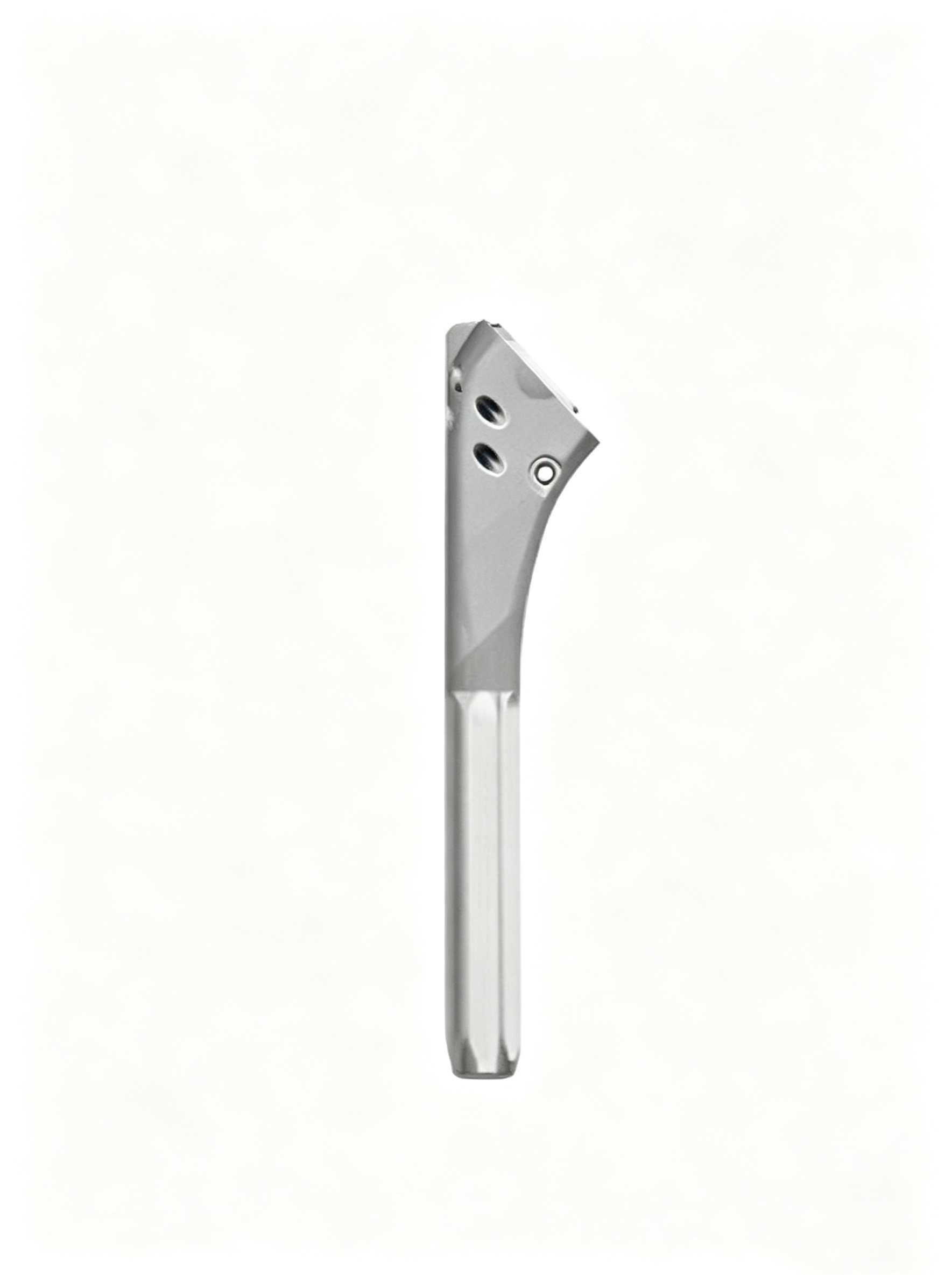
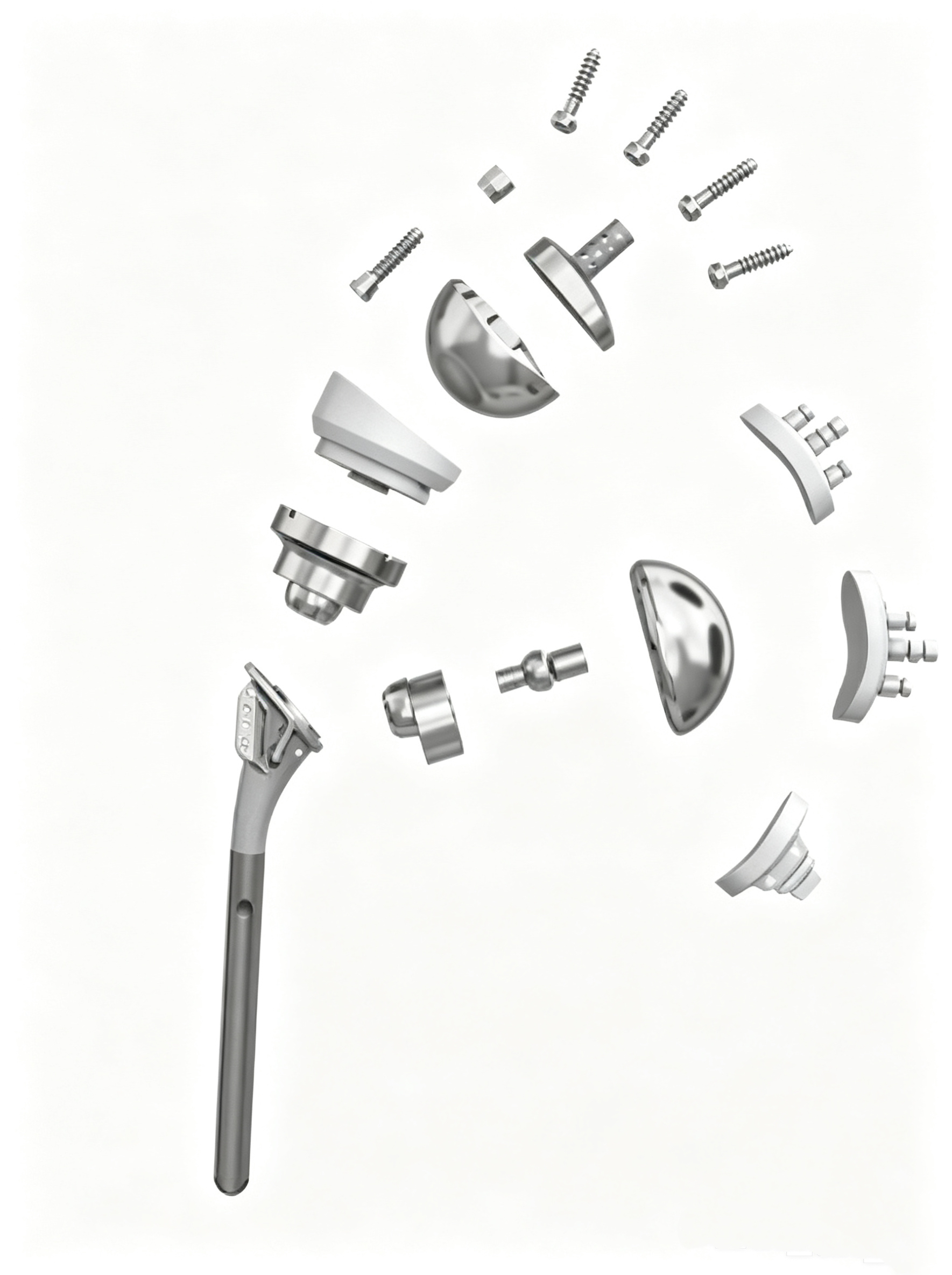
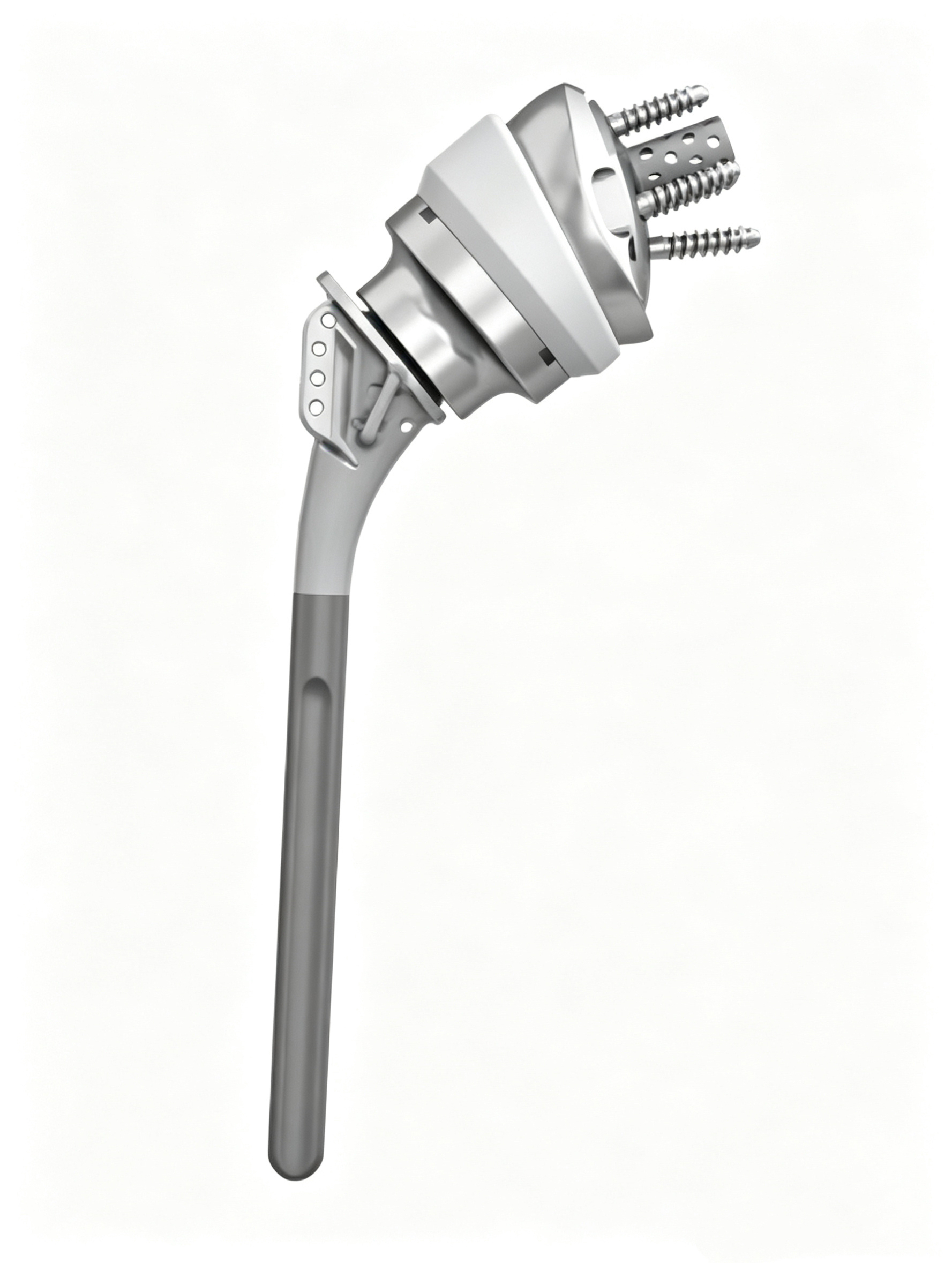
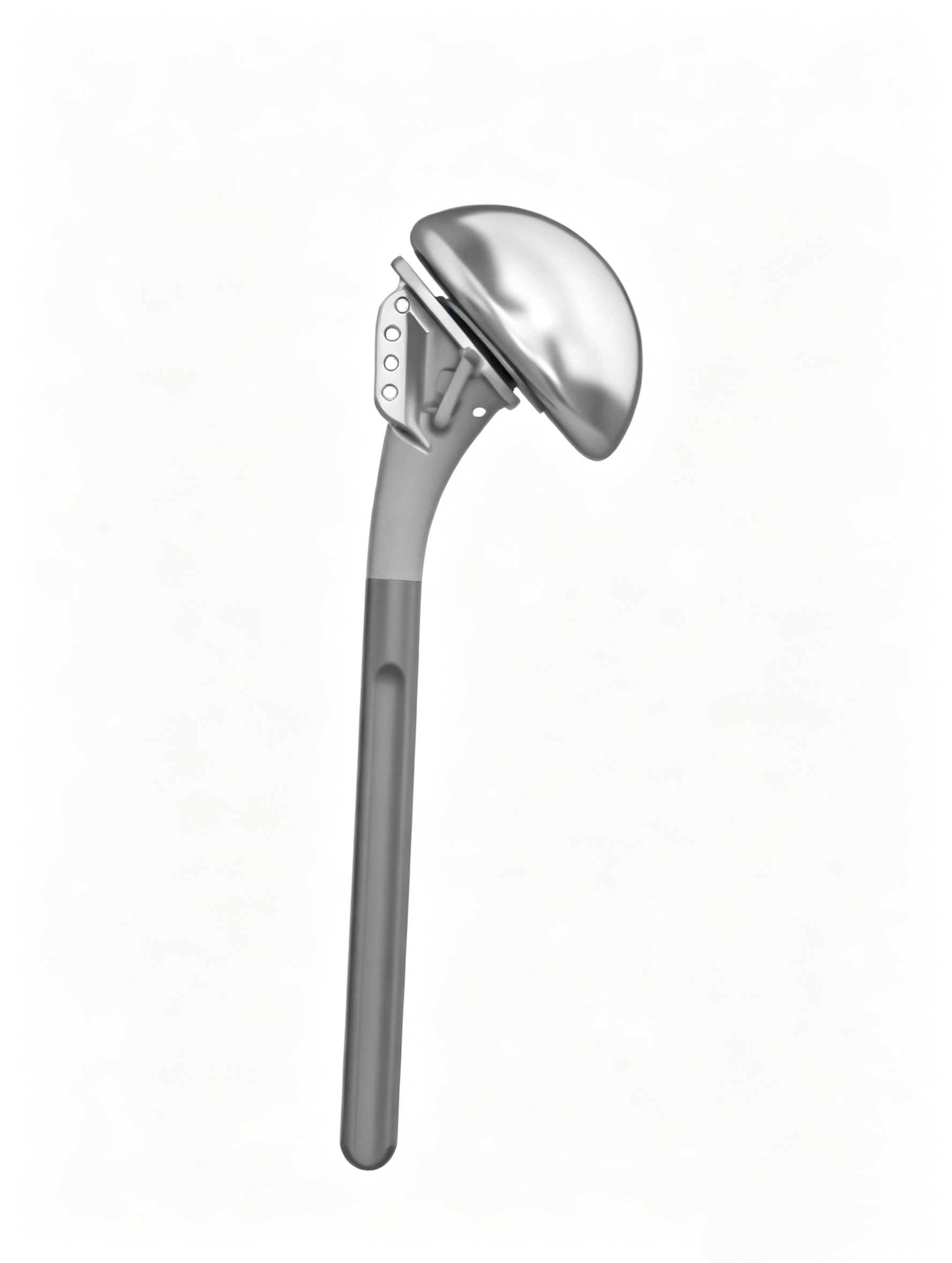
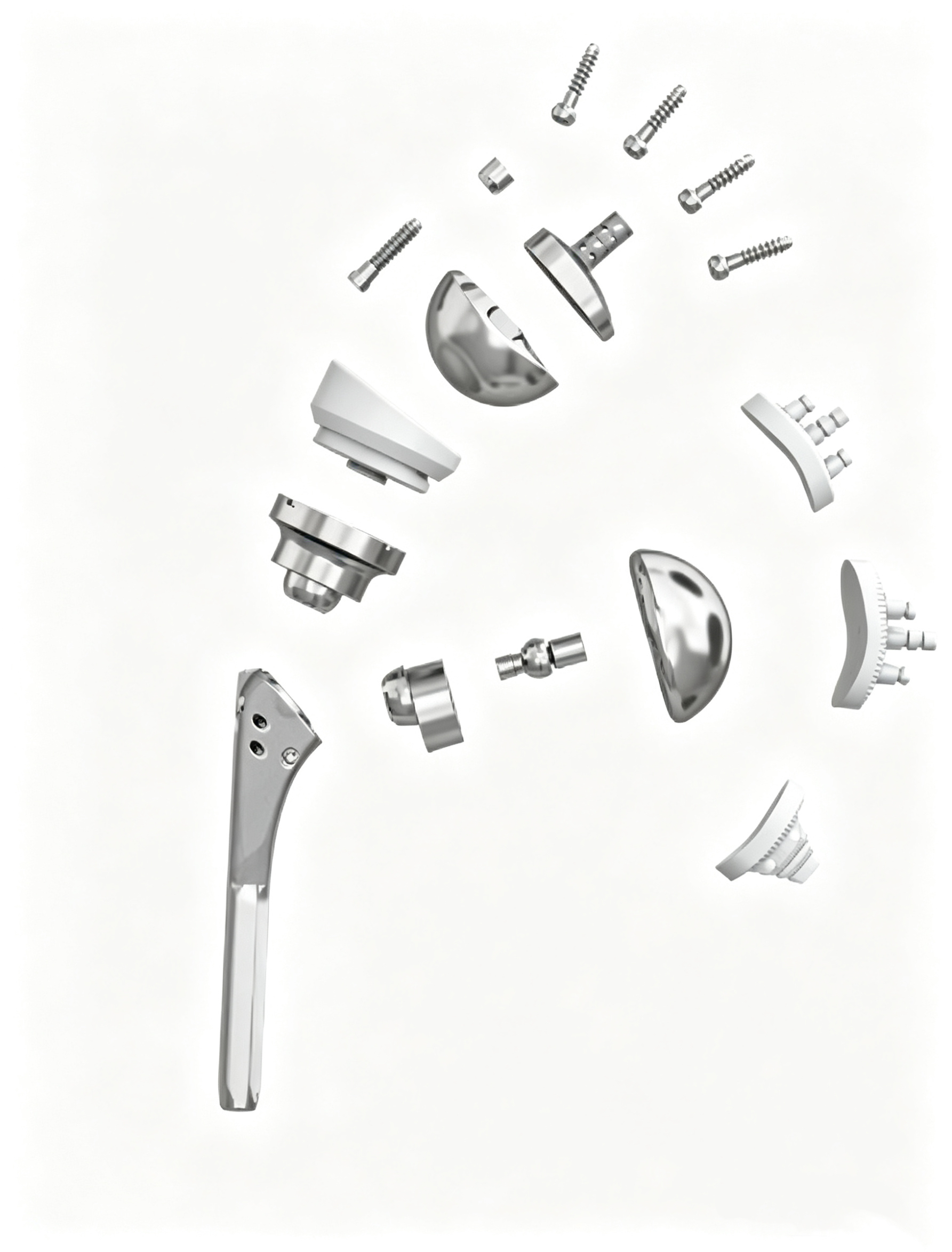
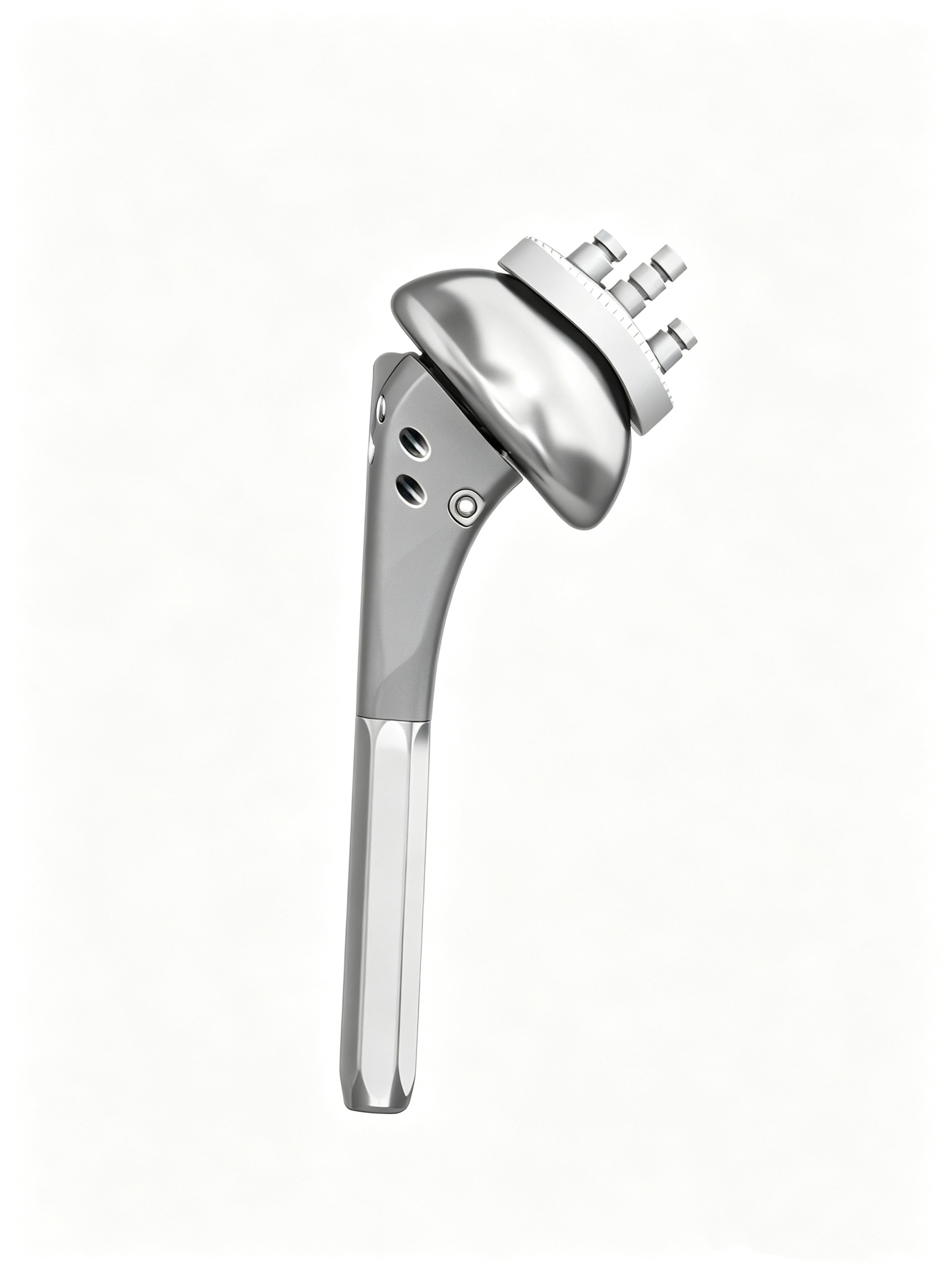
•L’ala anterolaterale dello stelo progettata per fratture asimmetriche: posizionata sulla linea di frattura, non interferisce con la riduzione dei frammenti ossei, guida la corretta riduzione dei frammenti, supporta i frammenti delle tuberosità maggiore e minore, facilita la fissazione dei frammenti, orienta la direzione di installazione della protesi e determina l’angolo di retroversione della protesi.
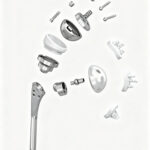
•Il design della piattaforma dello stelo omerale con interfaccia di connessione sferica consente una conversione senza soluzione di continuità in artroplastica anatomica o inversa senza rimozione dello stelo. Permette la regolazione intraoperatoria dei parametri anatomici protesici.
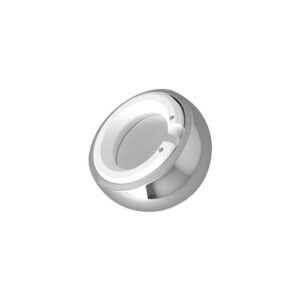
•Il componente glenoideo presenta un design a sospensione verso il basso e una glenosfera di grande diametro.
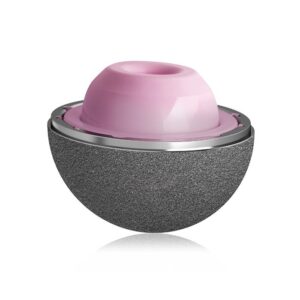
•Il replicatore anatomico consente la regolazione indipendente dell’inclinazione della testa omerale di +/-7,5°, ottenendo un range dell’angolo collo-diafisiario di 125°-140° e un range di versione di +/-7,5°.
Indicazioni del Sistema di Sostituzione della Spalla Angel
•Osteoartrosi primaria (articolazione gleno-omerale) con cuffia dei rotatori integra e funzionante.
•Artrite reumatoide senza erosione o deficit significativo della cuffia dei rotatori.
•Artrite post-traumatica (a seguito di precedente frattura o lussazione).
•Necrosi avascolare (AVN) della testa omerale (es., dopo uso di corticosteroidi, anemia falciforme o trauma).
•Emiartroplastica fallita (precedente sostituzione parziale dolorosa).
•Lesione irreparabile della cuffia dei rotatori con pseudoparalisi (incapacità di sollevare attivamente il braccio).
•Artropatia da lesione della cuffia dei rotatori (artrite combinata con lesione massiva della cuffia).
•Fratture complesse dell’omero prossimale (a 3 parti, 4 parti o fratture-lussazioni), specialmente in pazienti anziani (>70 anni).
•Protesi totale anatomica di spalla fallita (chirurgia di revisione per insufficienza della cuffia o allentamento).
•Artrite gleno-omerale grave con cuffia dei rotatori deficitaria.